
Boring on purpose
Deploy daily. Sleep at night.
We build the release machinery modern teams take for granted — automated pipelines, infrastructure defined in code, and monitoring that pages before your customers notice. Shipping stops being an event and becomes a habit.
- CI/CD pipelines
- Infrastructure as code
- GitOps
- SRE practices
Practices
The discipline behind the pipeline.
Tools are interchangeable. These four practices are what make releases boring — in the best way.
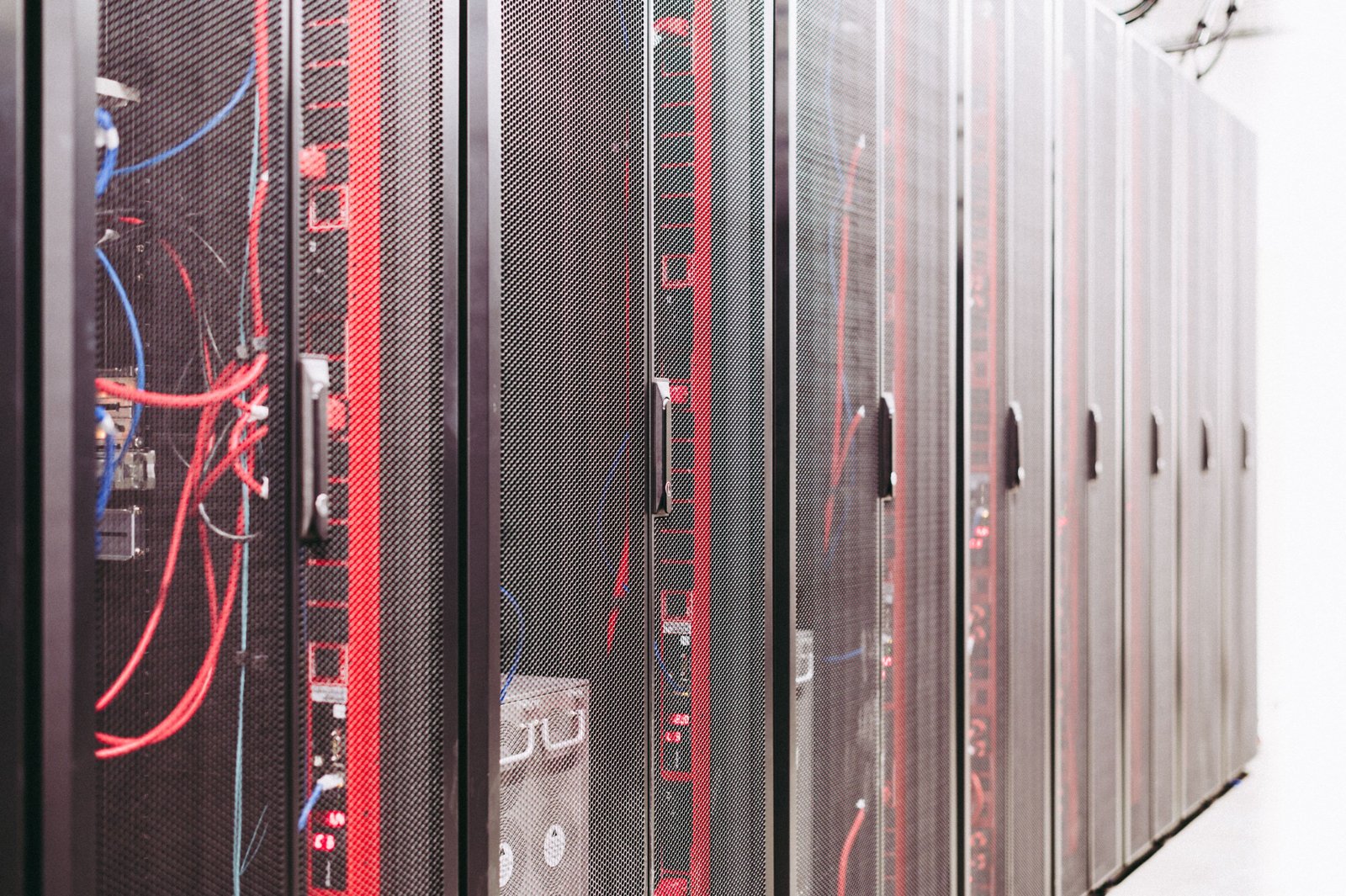
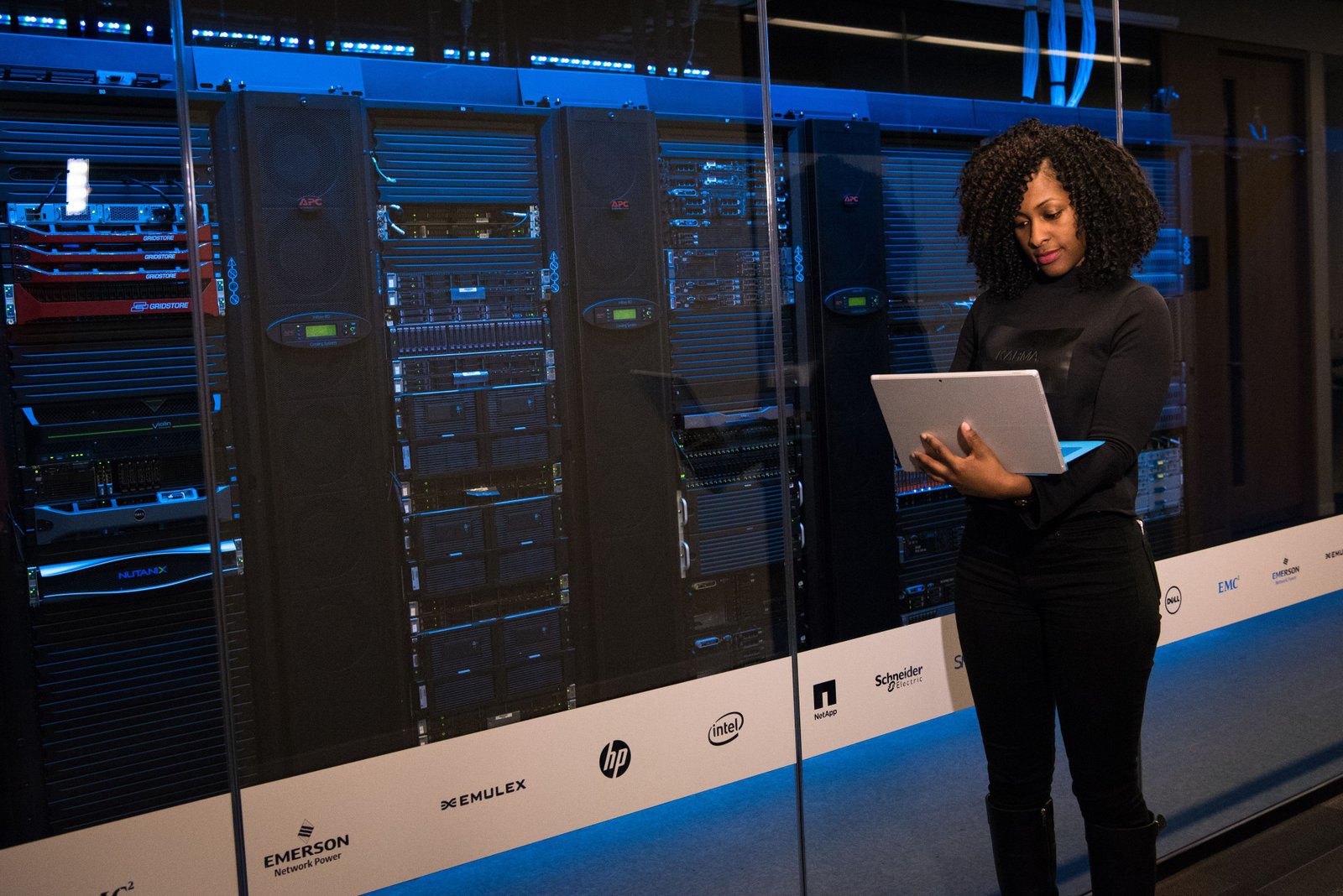
Automated releases and monitored infrastructure — the quiet kind of exciting.
Infrastructure as code
Every server, network rule, and secret is declared in versioned code — Terraform or Pulumi. Environments are reproducible, diffs are reviewable, and "it worked on staging" becomes provable.
GitOps
The repository is the source of truth for what runs where. Merge to main, and agents reconcile the cluster to match. Drift gets detected and corrected automatically — nobody SSHes into production to "fix it quick."
Observability
Metrics, logs, and traces wired from day one — not bolted on after the first outage. Dashboards your team actually reads, alerts that fire on symptoms instead of noise, and runbooks linked to every page.
SRE thinking
Error budgets decide when you ship features versus when you harden. We set SLOs with you, measure them honestly, and treat toil as a bug to be automated — not a job description.
A real pipeline
From git push to production.
What a healthy CI/CD run looks like when the machinery is built right. Under twelve minutes, zero heroics.
The difference
Before Seiko. With Seiko.
Typical before
- Deploys on Friday afternoons, followed by anxious weekends
- Infrastructure documented in one engineer's memory
- Alerts nobody trusts, paged for disk space at 3am
- Staging that "kind of" matches production
- Rollbacks that require a postmortem before they begin
With Seiko
- Multiple deploys per day, each one reversible in one command
- Everything in code, reviewed like application code
- Alerts tied to user-facing SLOs, with runbooks attached
- Ephemeral preview environments per pull request
- Blameless postmortems that actually change the system
Toolchain
Picked for you, not for us.
We ship on AWS, GCP, Azure, Hetzner, and DigitalOcean alike. The toolchain below is our usual starting point — we adapt to yours when it's already working.
- GitHub Actions
- GitLab CI
- Terraform
- Pulumi
- ArgoCD
- Kubernetes
- Docker
- Prometheus
- Grafana
- OpenTelemetry
- Vault
Deliverables
What ships.
- CI/CD pipelines — test, build, scan, and deploy on every merge, with preview environments.
- Infrastructure as code — your full environment declared, versioned, and reproducible from zero.
- Observability stack — dashboards, SLOs, and alerts your team trusts.
- Runbooks — incident response procedures written for your systems, not generic templates.
- Handover training — your engineers deploy and operate everything with us shadowing, then solo.
pipeline rescue, assessment to stable deploys — sequenced, not improvised
rollback procedure — rehearsed before launch, not discovered in a panic
of pipelines defined as code — infrastructure by clicks doesn't ship
Friday-afternoon deploys we'd sign off on without the rollback rehearsed
What we build to — written into the engagement before we start, not claimed after.
FAQ
Asked before we start.
Not the full Kubernetes treatment, no — and we'd tell you that. For smaller setups we build lighter pipelines: automated deploys from Git, backups, uptime monitoring, and a staging environment. Same discipline, right-sized tooling.
Yes. We ship on AWS, GCP, Azure, Hetzner, and DigitalOcean regularly. We don't force migrations — we improve what's there and only suggest moving when the numbers clearly favor it.
A focused pipeline build — CI/CD, IaC for one environment, basic observability — runs 3 to 5 weeks. Full platform work with GitOps and multi-environment setups typically runs 6 to 10 weeks. Fixed scope, fixed price.
If you want us to. Your team takes operations back after our handover training — or you keep us on a managed plan for on-call and continuous improvement. Either way, everything is documented and yours.
Security is part of the pipeline, not a phase: image scanning, dependency checks, secrets management, and least-privilege access from day one. For deeper hardening and 24/7 monitoring, see our Managed Infrastructure & Security service.
Fixed-price rescue
Pipeline rescue, in four weeks.
No AI required. If your deploys are manual, scary, or both — we stabilize, rebuild, and hand back a pipeline your team owns. Fixed price, agreed before we start.
- Week 1 · Stabilize — incident review, quick wins, stop the bleeding.
- Weeks 2–3 · Rebuild — CI/CD, infrastructure-as-code, per-branch previews.
- Week 4 · Cutover — rollback drills, runbooks, your team deploys solo.
Free pipeline review
30 minutes. Your pipeline, our screen-share.
An engineer walks your pipeline live and tells you exactly what's slow, fragile, or one bad day from failing — whether you hire us or not.
Free · 7 days · yours to keep
Find out what slow shipping costs you.
Our free AI audit includes a DevOps assessment: deploy frequency, failure rate, recovery time, and the concrete fixes that move each number. One week, no cost.